The tedium of Oz

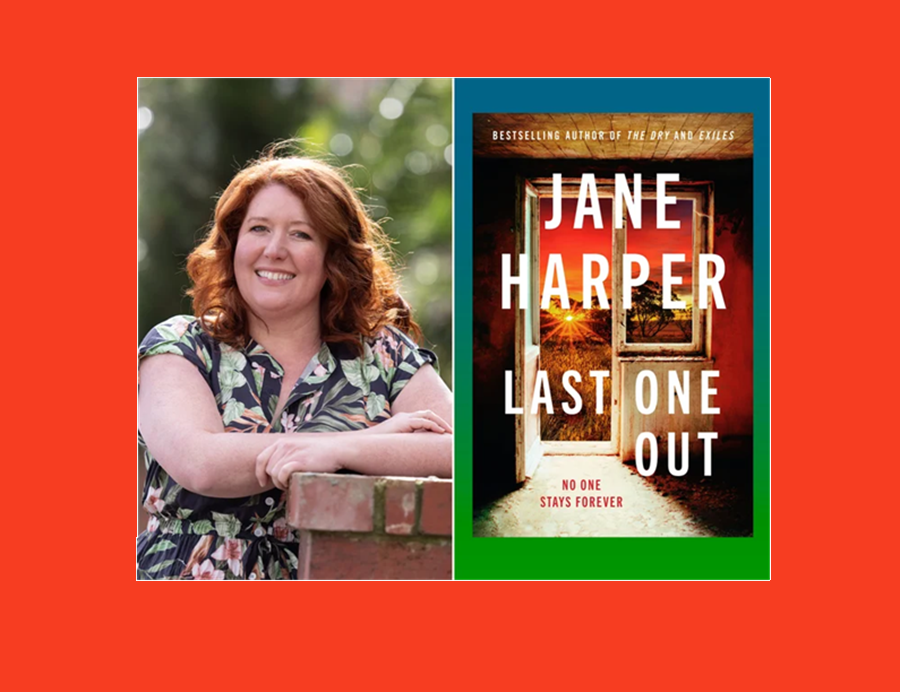
Last One Out by Jane Harper
Few writers can depict small towns in Australia better than Jane Harper - the eucalyptus trees, the wind, the heat and boredom. Patrick White, an Australian author who received the Nobel Prize for Literature. also wrote about small-town Oz, and about people's prejudices and absurdities.
I have read all Harper's novels and the woman can write. When reading Last One Out, I was struck by how much time she allows herself to fill in the milieu, atmosphere and characters - perhaps because I read so many noirs and thrillers these days, where every detail is significant. Harper is like the old Russian writers: Every moment is exploited and spun out. In the following paragraphs people get into a car and drive away. I would describe it in one sentence - note, nothing sensational happened before or after. There wasn't a gruesome hit and run or anything like that:
If Sylvie had started switching off the lights they had all trickled out into the darkness of the car park, Delia clicking the key fob to unlock the silver sedan with a subtle beep while Ro and Griff said their goodbyes. They'd climbed into Della's spotless car and she had reversed carefully, the wheels crunching against the gravel. She had turned the nose towards the exit, the headlights sweeping over Heather and Ann-Marie, who were talking together beside a truck Ro did not recognize. Their heads shot up in unison as the beams flashed over them, momentarily startled, their features harsh in the glare and their eyes wide. Ann-Marie blinked and squinted, raising a hand in farewell and then Heather did the same, their smiles grimace-like under the twin spotlights. Ro lifted her own hand in return, unsure if they could see her through the windscreen. She watched them as the headlights slid sideways and the two women disappeared once more into the gloom.
Della had not spoken as they'd pulled away and left the town behind, her hands at ten and two on the wheel, focused fully on the black night in front of her. From the passenger seat, Ro had leaned back against the headrest and looked over.
Also note that this quote is in the past perfect: Had begun ... etcetra. It's because it's a memory of Ro's, a day or so after it happened. So much detail!
Rowena (Ro) Crowley lives in Sydney and returns every year for a few days to the town where she lived when she was married and raised children. Carallon is a small town with few inhabitants. It's bleeding to death because a mine has started up that is polluting the air and water and is roaring day and night. The mine has also bought up farms and plots for expansion and there are empty houses everywhere. The business part, if you can call it that, is also a ghost town with boarded-up windows.
Five years ago, Ro's only son, Sam, disappeared on the afternoon of his twenty-first birthday. He was never seen again. The family - Ro, her husband Griff and daughter Della - waited for him with a birthday dinner.
The tragedy tore Ro and Griff apart. Their ways of grieving were too different and they could not understand each other's reactions. Griff fell into a deep depression and could barely get out of bed. Ro kept searching for her son at every moment, following his trail on the internet, in his notebooks, on his computer. When the clinic where she worked as a doctor closed, she moved to Sydney. Her daughter Della also lives there.
Now all three of them are together again in the house where they were happy. Ro, admittedly in a garden flat. She keeps searching.
At times the book reminded me of Stieg Larson's voluminous books: the most minuscule clues are collected and piled up to eventually form a picture. There are quite a few riddles. It takes place over about four days, with many flashbacks.
You become so familiar with the characters through different stages of their lives, it feels as if you were there. You invest a lot emotionally and later you can't tear your eyes away from the endless details.
The ending is highly satisfying and I will also read her next book. It is somewhat less hefty and meaningful than her previous books, but it is a satisfying thriller.
Last One Out by Jane Harper is published by Pan Macmillan and costs R395 at Graffiti.
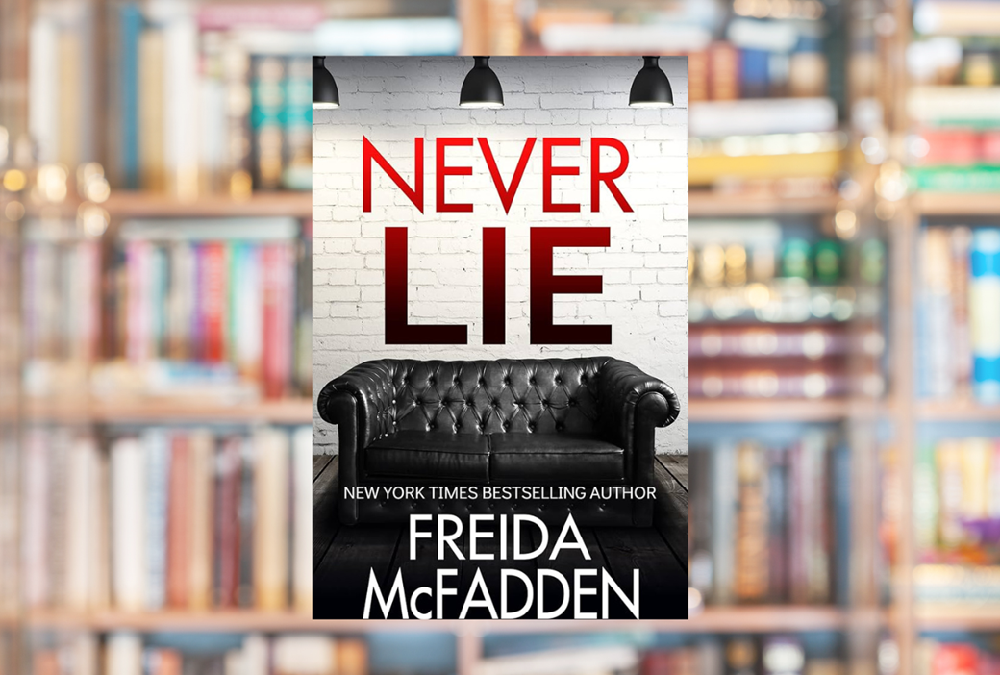
Never Lie by Freida McFadden
The secret is out: Freida McFadden is actually Sara Cohen, a doctor who treats brain injuries. She now works in her medical profession more or less one day a week, because her books are such hits. And the woman churns them out, you know, a few a year.
I've always been impressed by her mastery of the domestic noir genre. She creates storylines that take your breath away, with complex, evil characters and unsuspecting victims.
With this novel, I wondered if she might need to tighten the brakes a bit. It's undeniably suspenseful, but at the end I felt deceived. The denouement was a bit forced in my opinion. The reader was led astray.
I know it's a convention of the genre; the unreliable narrator. The reader should take everything with a pinch of salt and not jump to conclusions. Nothing is as it seems. I can't reveal more.
Tricia and Ethan are newlyweds and go to view a house, an absolute palace in the countryside, with a view to buying it. They are snowed in the house and soon begin to realize that they may not be alone. Ethan is very pleased with the house, but Tricia knows she will never want to live there. The previous owner has disappeared without a trace. All the furniture is untouched.
Tricia discovers a secret room behind the bookcase in the study and begins to listen to the previous owner, a therapist's cassette recordings of her sessions with patients. She suspects something is very wrong. Is Ethan really as perfect as he seems; everyone's ideal husband
Read for yourself.
Never Lie by Freida Mcfadden is published by Poisoned Penn Press and costs R266 at Graffiti.