Murder & mayhem

In a house growing emptier by the day, as memories are packed into boxes and beauty is covered in bubble wrap, I still managed to get some reading done this week. Besides manuscripts and books for review, I read two domestic noirs that made the hairs on the back of my neck stand up and filled me with gratitude for the peaceful life I eventually came to live.
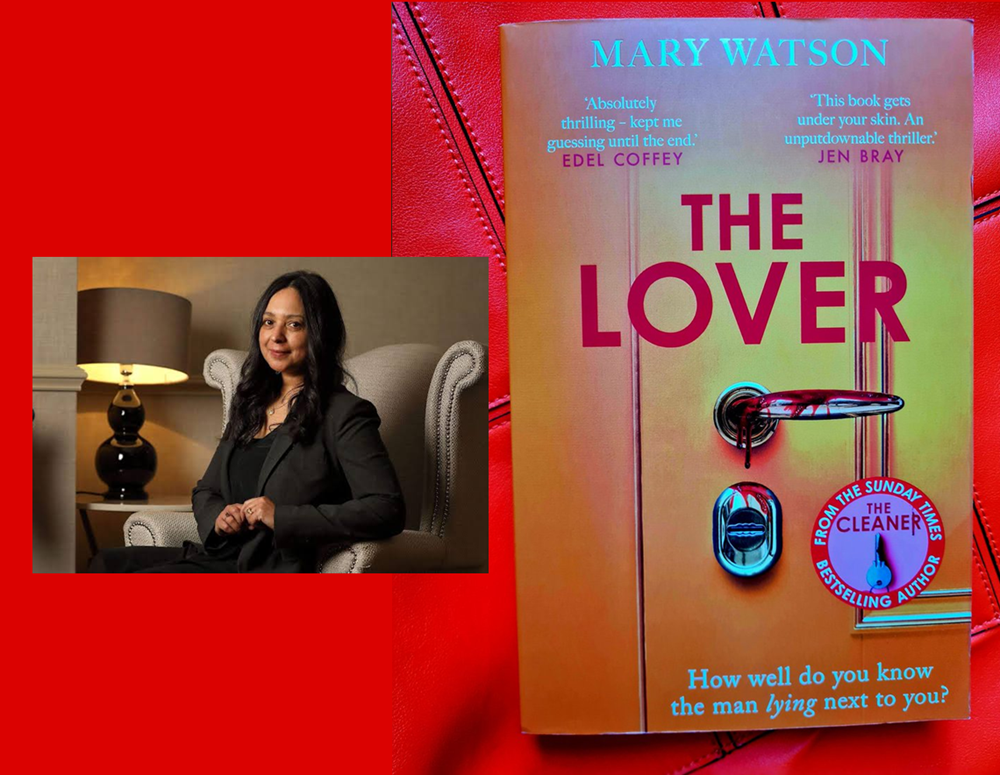
The Lover by Mary Watson
I'd previously read The Cleaner by Mary Watson, a runaway success. The Lover will send shivers down your spine as well. Watson has South African roots; she studied at the University of Cape Town under André Brink, to whom this novel is dedicated. She earned her PhD there and taught there for many years. She now lives in Ireland, where this novel is set.
The narrator, Hallie, immediately inspires confidence. She returns to her hometown to take up a position as assistant curator at the local museum. Her colleague, Cara, is also her housemate. Several people she grew up with work there too. Hallie had followed her teenage sweetheart, Calvin, to America, but returned after they broke up. He had been intensely possessive.
Something happened when she was a rebellious teenager hanging around with Gavin and his thrill-seeking friends, who were a few years older than she was. Exactly what happened that day only becomes clear much later. She was wearing a red bikini and a goat's-head mask.
Soon after starting her job at the museum, she bumps into the director, the handsome Rafe, at a local bar. He apparently has no idea that she has joined the museum, and the attraction between them is immediate. They begin a relationship, but Hallie ends it when she realises that Rafe is every bit as possessive as Gavin was. There's an intensity about him that frightens her.
Then everything begins to unravel at work. It's obvious that someone is sabotaging her, and she suspects Rafe, who did not take the end of their relationship well. She files a complaint against him, but ends up receiving several warnings herself, putting her job in jeopardy.
Eventually they reconcile, because the attraction between them is simply too strong. On the first night they are back together, Rafe is murdered in the bed beside her. She wakes covered in blood, surrounded by blood, with no memory of what happened.
Naturally, she becomes the prime suspect, yet the crime scene makes no sense. Determined to uncover the truth, she sets out to find the real killer.
There are plenty of red herrings. At first I thought it was painfully obvious who the culprit was, but before long I found myself suspecting almost every character in the book.
As Hallie's past unfolds in alternating chapters, certain pieces begin to fall into place. The characters are vividly drawn, the suspense builds steadily, and the reader keeps guessing. Watson has an unerring instinct for the genre.
I found myself reading faster and faster and never saw the ending coming. I highly recommend it.
The Lover by Mary Watson is published by Penguin Random House UK and costs R395 at Graffiti.
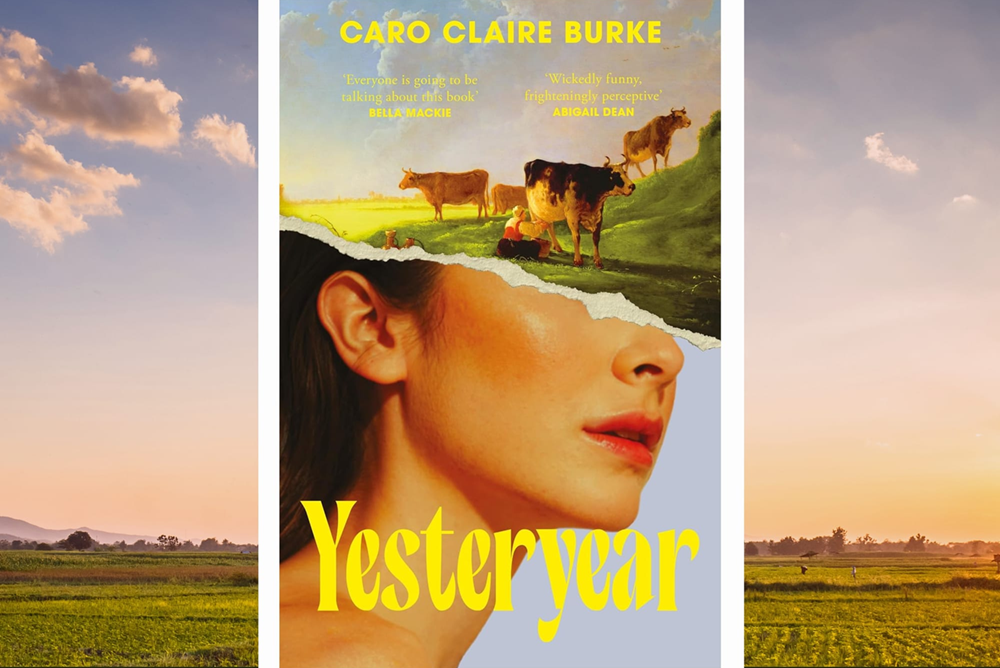
Yesteryear by Caro Claire Burke
This is a debut novel, and in my opinion it shows. There's plenty of potential, but by the end it felt as though everything had been written in capital letters, like an increasingly threatening email. It was simply too Gothic, too chaotic, too extreme, if you ask me.
Earlier this year I read The Trad Wife, about an influencer who lives the American dream: traditional, wholesome, Christian, devoted to old-fashioned values. Her home, husband and children appear to be her entire world. She cooks and bakes while looking as pretty as a peach blossom, all in front of the cameras. Behind the scenes, however, the reality is very different.
The Trad Wife almost feels like the starting point for this novel. Natalie is also an influencer with millions of followers. Together with her useless, spineless, childish husband Caleb—coincidentally the heir to a vast fortune—she has carved out, or rather manufactured, a life for herself on their farm, Yesteryear, where they appear to cling to traditional values and live close to nature. Of course, it's impossible to run a successful farm without constantly pouring money into it, using harmful pest-control methods, and employing people at minimum wage.
Naturally, Natalie has two nannies and a production manager, Shannon, while her husband employs an army of Mexican labourers to work the fields. Her videographer, the young woman responsible for filming and editing the idyllic content, has become deeply disillusioned with the choices available to women. You can become a homemaker and subsume yourself in your husband's career and your children's development, or you can pursue a career and work twice as hard as your male colleagues—and if you also want children, your life becomes an impossible balancing act. Shannon and her friends believe the latter option is a trap, a maze. They admire Natalie because she appears to enjoy freedom and a carefree existence.
Not so. Natalie is cold, calculating and entirely lacking in maternal instinct, despite impregnating herself every year with her husband's sperm after he has long since lost interest in her. The children are simply accessories, props to complete the idyllic image she presents to the world.
Everything begins to fall apart when Shannon resigns and exposes the elaborate charade. Suddenly Natalie wakes inside a nightmare. She still lives at Yesteryear, but it is now the year 1855, and for the first time her lifestyle is truly authentic. She has to wash clothes by hand in the freezing cold, knead bread, and labour from dawn until dusk. She has a different set of children, and her husband is no longer the man she knew. He demands absolute obedience and beats her when she disobeys. Unlike the old Caleb, however, he is very interested in having sex with her—and takes her by force. She is almost perpetually pregnant. There are no cameras, no internet, and no followers.
You'll have to discover for yourself how it all plays out. The cover describes it as "a howling piece of feminist rage", but I have my reservations. Natalie is a narcissist and profoundly unwell. Are we really meant to believe that the patriarchy made her this way? To my mind she is a calculating opportunist. Was her only escape to create a world in which she could dominate everyone else in her life? Is the novel's ending intended as a corrective, or is she still ultimately presented as a victim?
It's compelling and never loses your attention.
Yesteryear by Caro Claire Burke is published by HarperCollins and costs R342 at Graffiti.