What are we reading?

I sometimes think I understand why women weren’t allowed to publish novels in the bad old days when the world belonged to men. Men probably thought: Better keep them quiet; what if they tell how we treat them? That’s what I think while reading stacks of books by women writers in which men don’t come off so gloriously. Where they’re total jerks – manipulative, intimidating, brutal, violent, and childish, among other things.
Luckily, I know a few excellent men. One of them looked on helplessly while I was being raised. Now, you might ask: what kind of person looks on helplessly while someone brutallly imposes her will on his children? The kind of pragmatic person who knows: it’s either this or constant chaos, a warzone. There are people, and yes, women too, who brook no opposition. I’ve drifted so far off course now that I might as well report: she’s still alive, and now that her power has waned, she’s become quite accommodating. To her credit: she’s an insatiable reader.
My conclusion: People are manipulative, cruel, violent, controlling. Because men held the power for so long and controlled the narrative, it is now liberating for women writers speak out about their abuses. If a system empowers certain people, it seems to me, they will exploit it.
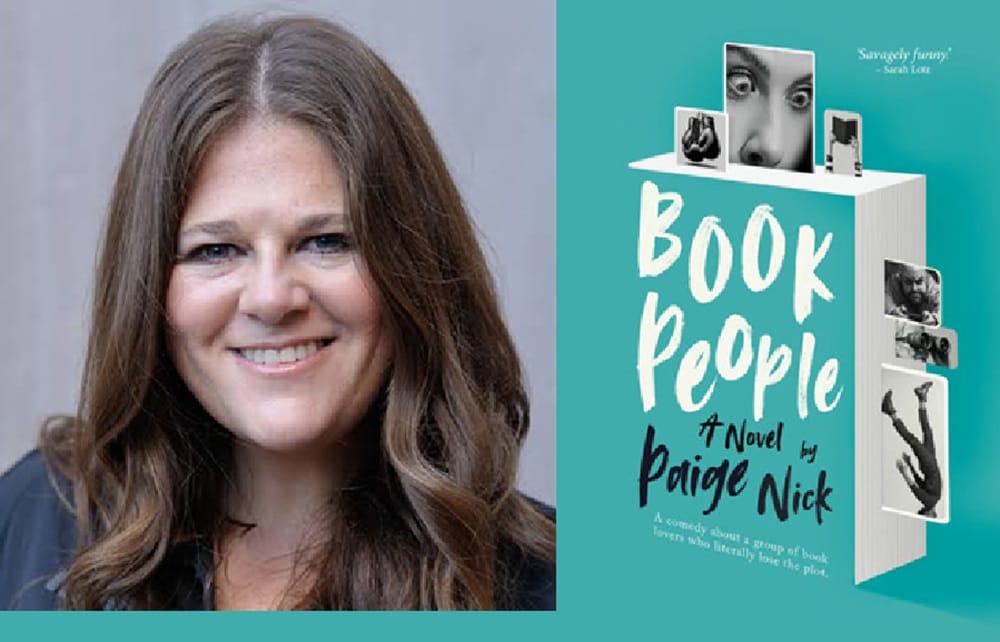
The first book I read this week in which men behave badly was Book People by Paige Nick. Do you know Paige? She’s from here, a well-known columnist for the Sunday Times and advertising guru. She’s written quite a few books. Nick has a great eye for satire and mocks pomposity. She also moderates the Facebook page The Good Book Appreciation Society, which features in the novel.
The novel is set in London. Norma Jacobs is an accountant from South Africa, but her first love is writing and books. She lives with a jobless slob who has supposedly been working full-time on his book for years. She pays all the bills while he hangs around playing Playstation, drinking beer, and smoking weed. He’s lazy and rude and becomes extremely intimidated when she quietly, between all her work and chores, writes a book. He reads the manuscript and completely shoots it down just to discourage her. Writing is, after all, his domain. He behaves even worse, but I won’t reveal too much here.
Norma is a bit of a nerd. She wears glasses, is slightly overweight, and struggles with conflict. In uncomfortable situations, she starts humming pop songs. But she’s sharp. Her Facebook page, The Good Book Appreciation Society, also spins out of control after someone (posing as an elderly woman) posts a particularly nasty review about a book by one of the authors on her page, Harry Shields. Harry is yet another man who behaves badly. He’s inflated, arrogant, and loves to blow his own horn. He can’t handle criticism. His poor, patient wife is a surgeon. He unravels more and more and drives everyone crazy with his obsession for revenge. Then the elderly woman in whose name the review was written is injured in a hit-and-run accident.
Meanwhile, Norma has quit her job and is trying to establish herself in the book world, working as an intern at a publisher and in a bookshop, where her manager is a third man who behaves terribly. You have to read it yourself – it’s funny and exciting and a refreshing look into the world of writers, readers, and books. I highly recommend it.
Book People by Paige Nick is published by Pan Macmillan and costs R271 on Amazon SA.
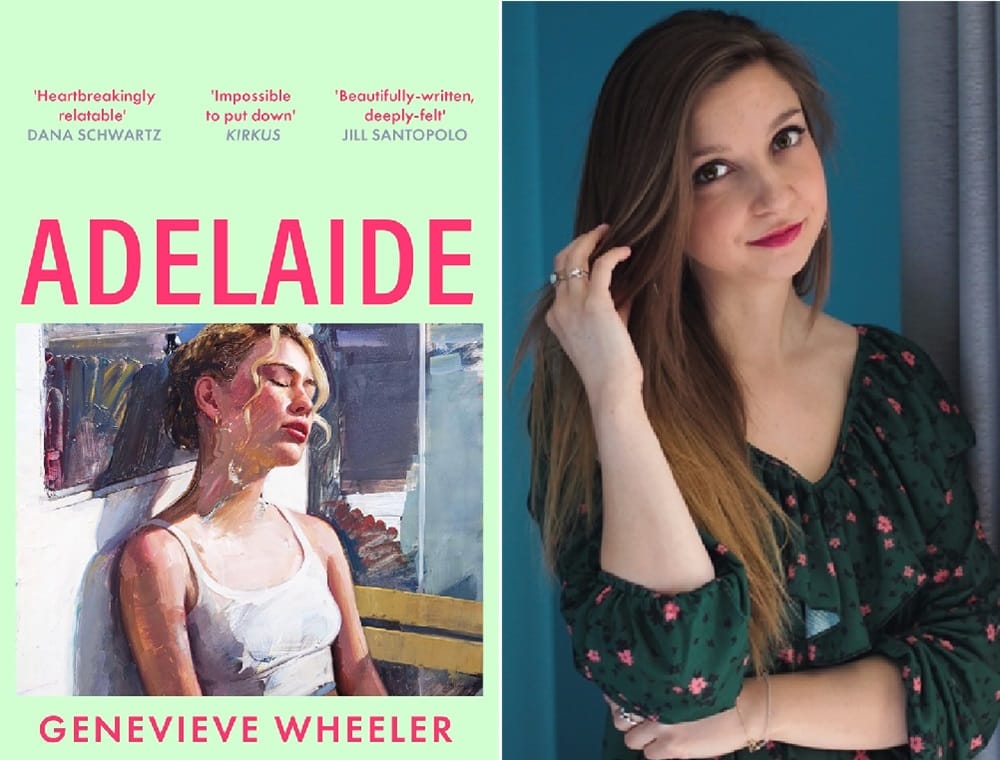
I read another book in which a man behaves like a jerk. Adelaide by Genevieve Wheeler is a debut novel. It’s like a modern-day Rebecca: Adelaide is an American girl, a Sylvia Plath type – brilliant, perfectionistic, slightly bipolar, hyper, with a big heart and endless generosity; the kind of person who loves without brakes.
Rory Hughes is a tall, attractive Brit. His parents died when he was young and he has issues. He never reveals too much of himself, is always indifferent, disappears for days on end, doesn’t reply to WhatsApps or calls. Then his previous lover dies. She was also a stunning, brilliant woman with a heart of gold. They were together for years, but he wouldn’t commit to her. Now he’s broken and Adelaide pampers, nurtures, and comforts him at every turn. This while she’s trying to establish herself in a demanding career.
It’s clear that she loves him deeply and he, well, he likes her. On his terms. She’s not allowed to sleep over, for example, because she’s a restless sleeper and he needs his rest.
The reader watches helplessly as the angelic Adelaide (okay, she can be emotionally a bit exhausting) wears herself down physically and mentally until there’s little of her left. You have to read how it turns out. There are elements of a classic love story and of the very first domestic noirs, like Du Maurier’s.
Adelaide by Genevieve Wheeler is published by Aria and costs R376 on Amazon SA.
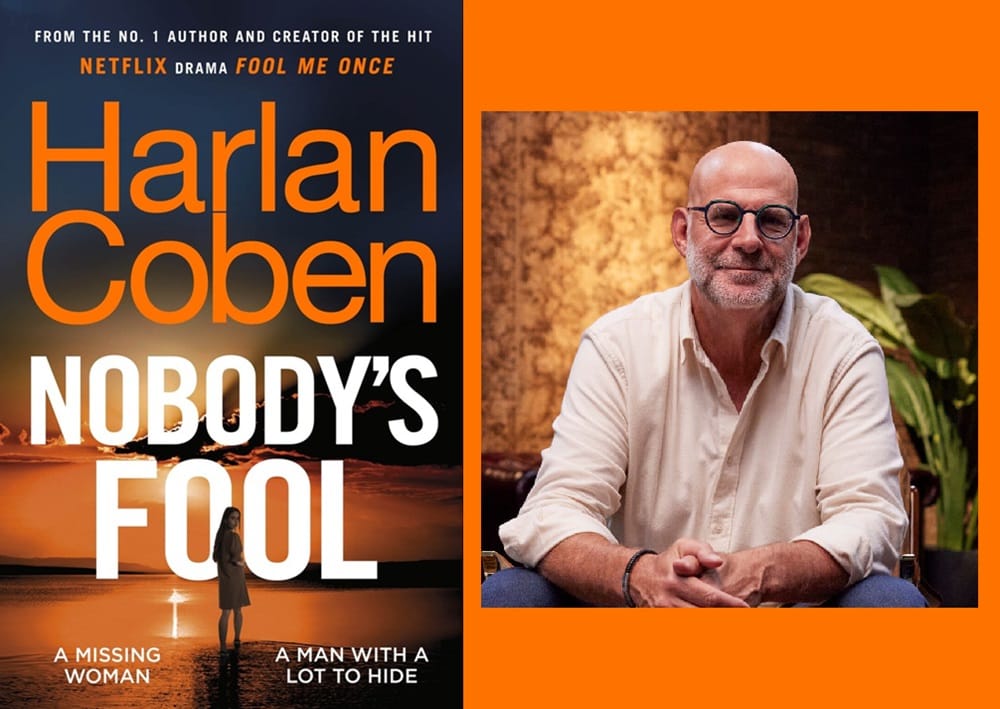
For distraction, I read a Harlan Coben. Coben never disappoints. He’s like the Wimpy: you know exactly what you’re going to get and it’s always satisfying. Few writers can tell a crime story as compellingly as Coben.
The narrator, Sami Pierce, has parents from Pakistan. He’s short, slim, and brown, but apparently has the X-factor, because women swoon for him. The novel starts when at 20 he backpacked in Spain. He met Anna, an enchanting woman, in a club and had a lovely holiday romance, until one morning he wakes up with blood on his hands. Next to him in bed lies Anna with a knife in her chest. He quickly fled and has been tormented by it ever since.
Until one night he sees her alive and well – in a class he’s teaching. She runs away, but he follows her and with the help of friends, he discovers she is Victoria, the daughter of a very wealthy family. She was kidnapped years ago and has returned home after more than a decade, with memory loss.
Sami is now happily married to a lovely woman. They have a baby son. He used to be a police officer but was fired for not always colouring inside the lines. Now he’s a private investigator. Victoria’s father summons him and asks him to investigate: they’d like to know what happened to their daughter back then. He kicks open a hornet’s nest and his life – and that of his wife and child – is in danger.
Coben has a way of channeling the voice of a decent American man – a self-deprecating, sensitive guy with a touch of boyishness. You can’t put it down. And yes, there was also a man who behaved badly in this novel, but I can’t reveal his identity.
Nobody’s Fool by Harlan Coben is published by Penguin Random House and costs R350 at Graffiti.