Creepy control freaks

If you enjoy reading domestic noir, before long you start thinking the male gender is suspicious. It’s as if the male protagonists in every novel merge into a ghastly collage of messy manhood: narcissistic, selfish, bullying, domineering, false, and deceitful. At first romantic and considerate, and again briefly when the woman he torments returns from one of her average seven attempts to leave him. But soon seven more evil spirits return.
Are there really so many such men, or are they simply the bread and butter of domestic noir? After all, these aren’t romances.
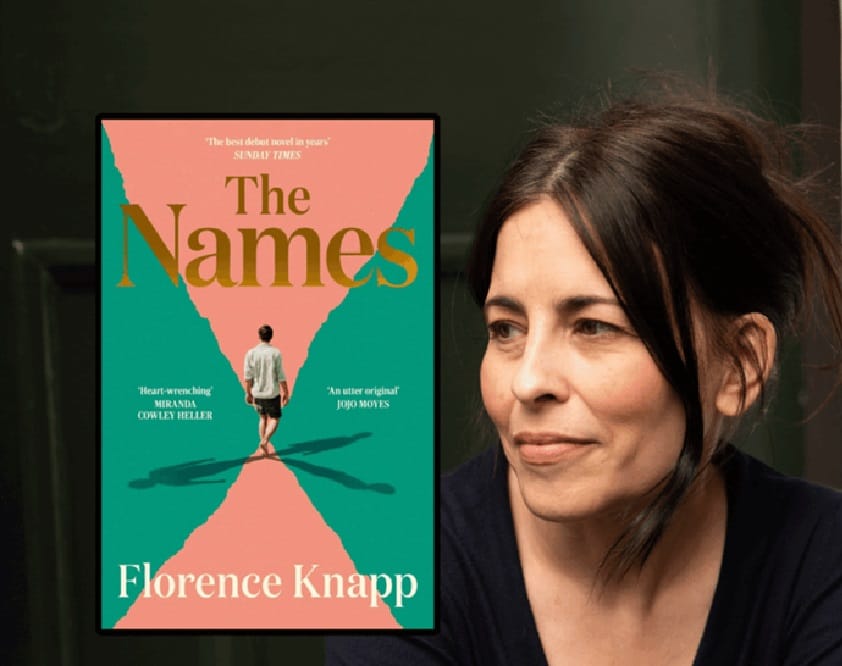
Last week I read two noirs in which Mr. Hyde makes an appearance. The first is a debut: The Names by Florence Knapp. In the prologue Gordon already behaves like a jerk. He has a prestigious job, and his wife, a housewife and mother, has to walk (on foot, mind you) to register their baby son. Their little daughter goes along. The plan, as decreed by His Lordship, is that the baby should get his name: the family name, Gordon. But his wife, Cora, has her doubts. Does she want to saddle the boy with the name of bullies and tormentors, a long straight line of them? She wants to call the child Julian, which means Sky Father. Their daughter, Maia, likes the name Bear.
In the first chapter Cora rebels and decides to register the child as Bear: her anxious little girl deserves to be seen and to have her wish fulfilled. Maia beams. Back home, Gordon blows a gasket, as expected. He bangs her head repeatedly against the fridge for her disobedience. He knocks her to the floor and charges at her. For once in her life she screams long and hard. A neighbour appears on the scene—a gentle man. He tries to pull Gordon off her, but the latter shoves him through the patio windows and kills him. Soon the police arrive and Gordon is arrested.
The next chapter is an alternative scenario: Cora decides to register the child as Julian. At home, Gordon shoves her face into her plate of pasta and threatens that he won’t leave it at that. She looks into the baby’s blue eyes and knows he will one day overcome his father.
In the next chapter yet another possibility plays out, and perhaps the saddest: she registers the child as Gordon and from then on feels nothing for the baby. Gordon senior claims him, and estrangement grows between mother and child.
And so the chapters follow one another: Bear, Julian, Gordon. The consequences of each decision unfold alternately. Seven years later Gordon is still in prison for murder, while Cora, Maia, and Bear live in their own apartment, emotionally supported by her friend and her friend’s husband. The children are happy and exuberant, and Cora thinks: “Oh. We’re actually doing it. We’re all here, and we’re doing okay.”
Seven years later the child registered as Julian lives with his sister Maia at their grandmother’s in Ireland. Their father murdered their mother. He is in prison, and the children suffer from post-traumatic stress. They are close to each other, and their grandmother—kept away from them by their father—is devoted to them.
Seven years later the boy named Gordon is just as cruel as the father he idolizes. His father encourages him to torment his mother. At least Maia is on her side. Cora is a defeated punching bag and plots to run away. But she keeps coming back.
And so the book unfolds over decades. Three stories with the same characters, the events determined by a single decision. It’s a fascinating book that gripped me and didn’t let go. I highly recommend it.
The Names by Florence Knapp is published by Orion and costs R455 at Loot.
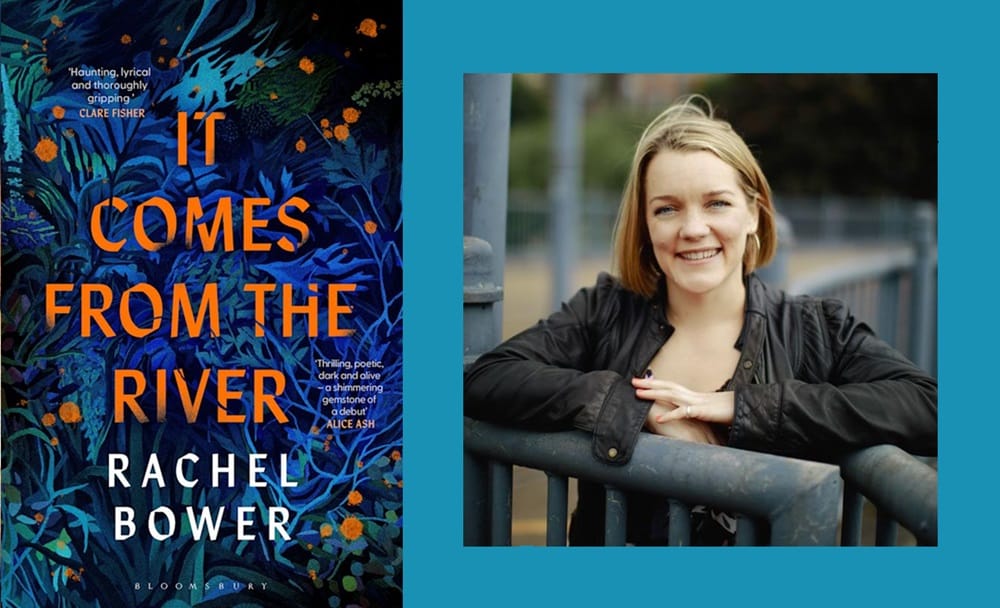
In the prologue of the second book, three lonely women sit in different rooms near a river, watching TV: Lauren, drinking cheap white wine; Alex, battered by postnatal shock; and Nancy, older. It isn’t clear what the connection between them is, if there is one at all. Something emerges from the river, and the women feel sick and afraid. It’s a dark shadow with wet paws that lurks and slips away again.
One by one, we get to know the women. Alex, with a husband, Paul, who abuses, smothers, and humiliates her. The reader meets him as he smashes a pudding bowl against the wall because the custard is lumpy. To punish her further, he forces himself on her on the couch. She pleads that it isn’t a safe time, that she isn’t ready for another baby. “He whispered she wanted it, it would do her good. Alex was silent. She didn’t want to wake Izzy.”
The next woman we meet is Lauren: young, too thin, somewhat pretty, unmarried with two little boys, a rough diamond. She is caught shoplifting and must do community service. That lands her in a charity shop where the manager flirts with her. He buys her gifts and takes her out for expensive dinners. It gradually becomes clear that he is none other than Alex’s Paul.
The third woman is Nancy. Her son Pip places her in a (admittedly luxurious) retirement home and seldom visits. Without her consent he has rented out her house to pay for the home. She is proud and independent and does not fit in at all. She misses her little dog, Ruby, who had to stay behind with Pip and his wife. She makes plans to run away. The reader begins to wonder if Pip might also be Paul.
All three women live near the river and sometimes become aware of a sinister presence, a shadow.
I don’t want to give away more of the plot, but the women’s orbits gradually move closer together. Alex, of course, is pregnant again, and it’s an exhausting pregnancy. Lauren takes out loans and squanders money. Nancy causes trouble in the retirement home. The shadow grins.
It’s a suspenseful, atmospheric noir, and the male lead is a detestable weakling. I highly recommend it.
It Comes from the River by Rachel Bower is published by Bloomsbury Publishing PLC and costs R465 at Exclusive Books.