Alley cats and red eggs

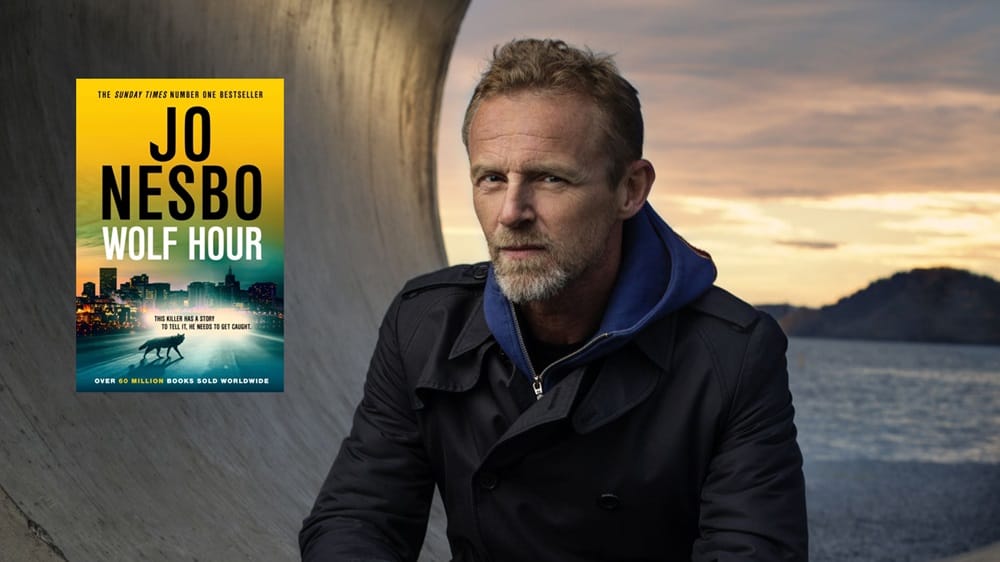
I’m a crime fiction junkie, but I actually read Jo Nesbo for the sake of the characters and the dynamics between them. The main characters are as ruggedly butch as alley cats, but they possess a sensitive side and a true appreciation of women.
Meet Detective Bob Oz. He’s forty and not exactly attractive, with his square head, thick red hair, healthy teeth, and blue eyes—but still fairly well built because he used to be athletic in his youth. His colleagues used to call him One Night Bob because he was such a womanizer, spending only one night with each woman. That all changed when he fell in love with Alice and they got married. Then he became One Woman Bob. They were happy, and she understood him, until a tragedy—the death of their child—drove them apart. Alice is now married to someone else and pregnant, and Bob is struggling to keep his head above water. He’s been taken off cases because he’s an emotional wreck. Now he only does paperwork. And tries to soothe his longing for his wife with casual sex. But back when he was still himself, he solved more cases than anyone else.
It’s a story within a story. One character, Holger Rudi, is a Norwegian writer who travels to Minneapolis to do research for a book he’s writing about a real murder case from decades ago. A crime boss was shot dead at the front door of his hotel. The sniper was in the apartment block across the street. He strikes again—the hitman known as the Wolf.
Oz isn’t supposed to be doing investigations, but of course, he’s hot on the Wolf’s trail. And in his sights. All the elements that keep Nesbo fans happy are there: a nasty commander who might be corrupt, an unforgettable woman, a detective with a dark side and many demons. An ambivalent villain. Gritty urban landscapes. Taut suspense. Dry humour. It was translated into English by Robert Ferguson, and I hope Bob Oz makes an appearance in a future book.
The Wolf Hour by Jo Nesbo is published by Vintage Publishing and costs R390 at Exclusive Books.

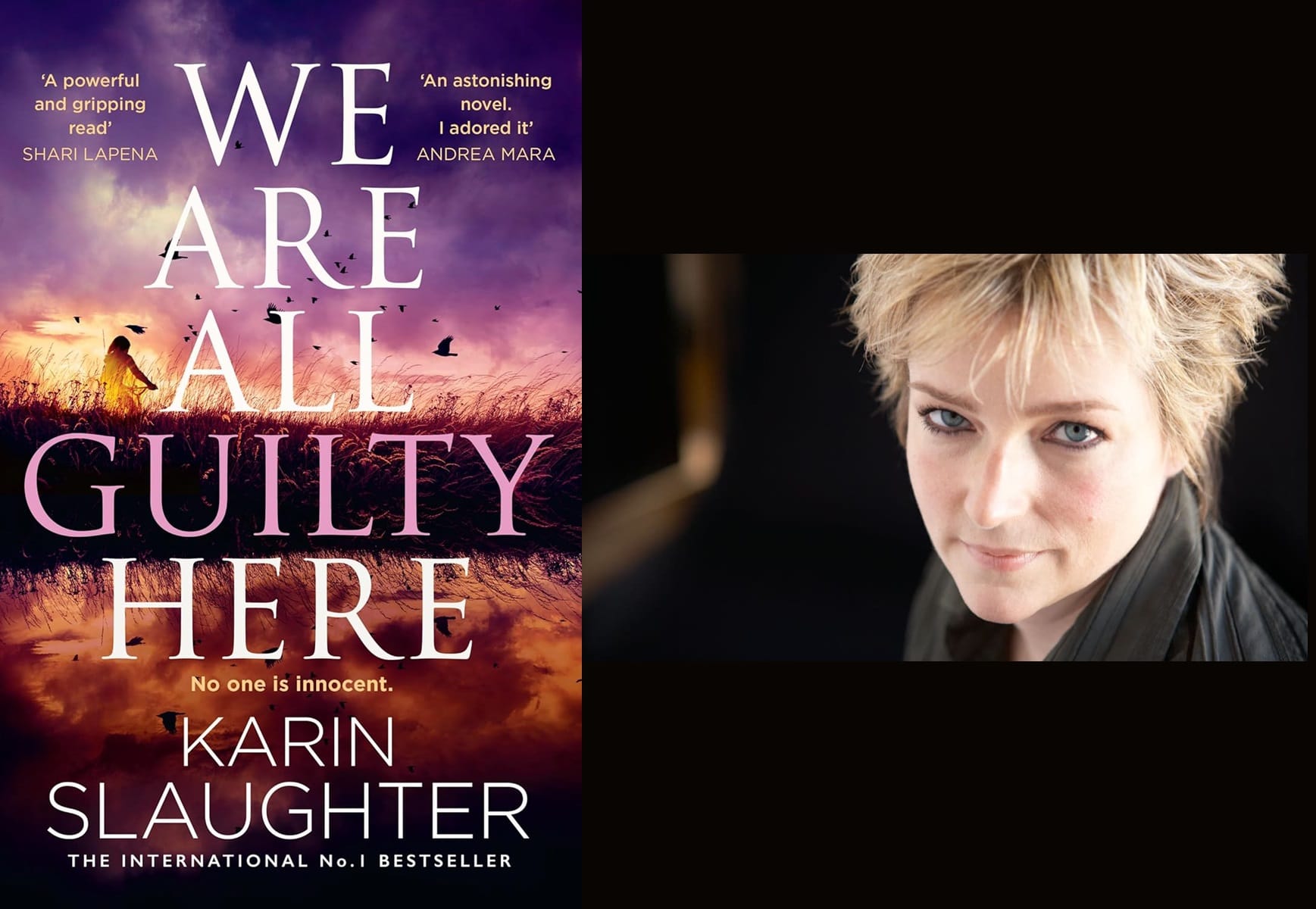
Karin Slaughter is an international bestseller, the queen of crime and police procedurals. I’ve read quite a few of her books—and forgotten them. In the moment, they hold your attention because she is such a master of her craft.
This novel is set in a small town. Emmie Clifton has spent her whole life here. She comes from a prominent family but chose a career in the police force, like her father. Her best friend’s daughter, Madison, is a troubled teenager—especially because she and Cheyenne are inseparable. Cheyenne does favours for boys in exchange for money and possibly sells drugs. She’s involved with an older man. The girls are saving up to run away. Then one night, they disappear.
Emmie feels responsible, because earlier that evening—at a fireworks display—Madison wanted to talk to her. Madison looked worried. But Emmie was so furious with her good-for-nothing husband, who couldn’t even watch their child for a moment, that she stormed off to the bathroom. That was the last time Madison was seen.
What were the girls involved in, and what’s brewing beneath the surface in this dull little town? All sorts of secrets are now tumbling out of the closet, and Emmie is determined to get to the bottom of it all—and hopefully save Madison.
It’s gripping and the perfect read for a warm summer evening.
We Are All Guilty Here by Karin Slaughter is published by HarperCollins and costs R399 at Exclusive Books.
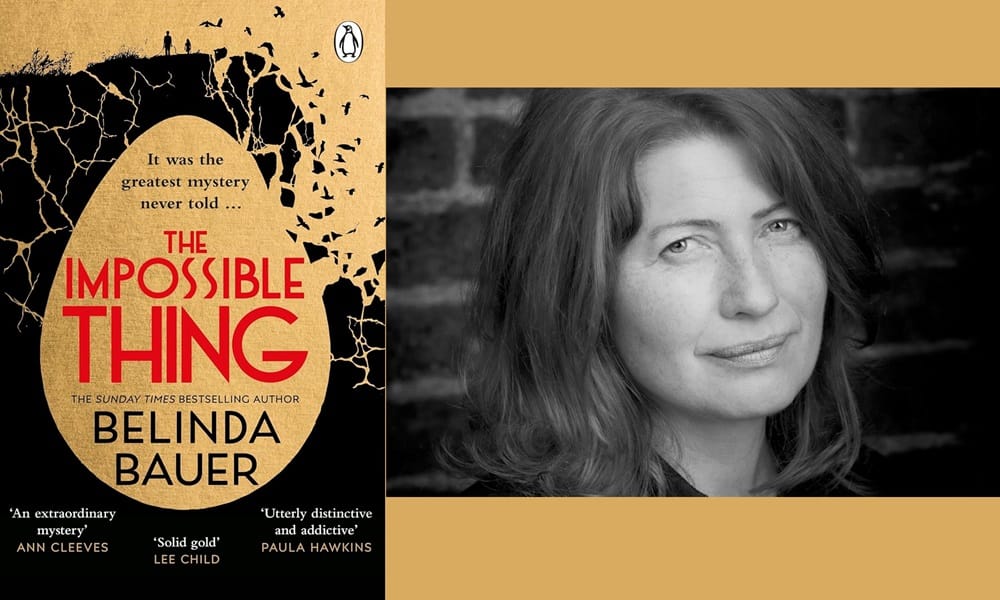
I saved the best for last. Together with The Homemade God, this is one of my books of the year – The Impossible Thing by Belinda Bauer. It’s an extraordinary mystery novel. The crime in question is the theft of bird eggs. A window is opened onto a world I knew nothing about.
It begins in the 1920s in Yorkshire, England. The Sheppards rent an inhospitable farm and barely manage to survive. Then everything falls apart—and it’s all Celie’s fault. She’s an unforgettable character who pulls at the heartstrings. Unlike her siblings, she is pale with blonde hair and blue eyes—her dark-haired father took one look at her at birth and walked out. Now the family struggles to stay afloat.
Everyone rejects Celie. She’s small and fragile and has worked like a labourer since she was little. There’s only one person who looks after her: Robert, “the idiot,” as they call him because he never speaks. He’s an orphan and more or less the family’s slave.
Every year, egg thieves gather in the hills to steal the rare and beautiful eggs from cliff-nesting birds. The eggs are multicoloured, some with patterns, and collectors pay good money for them. This mania for collecting resonates with me—in my case, it’s stones.
On Metland Farm, where the Sheppards live, there’s also a ledge where birds nest, but no one can reach the eggs—it is under an overhanging cliff . There is, however, a small crack through which Celie, in a harness, slips while Robert holds the rope and hauls her up after she snatches the egg from under the pecking bird. A prominent collector hears about this and offers her mother a contract: if Celie retrieves the red egg of that specific bird for him each year, he’ll pay twenty pounds and shower them with gifts. So Celie essentially becomes the breadwinner, though she is still not valued in the family.
The other storyline is set in the present. Patrick is as unforgettable a character as Celie. He’s on the spectrum—highly intelligent and intensely focused. His obsession is teaspoons. He can’t read people and has one friend: the neighbour boy, Crazy Nick. They’re grown now, but both still live with their mothers. Nick is seriously overweight and obsessed with a specific computer game. He’s saving up to buy himself a gaming chair.
Then there’s a break-in at Nick’s house. He and his mother are tied up. The only thing stolen is a red egg in an exquisive box that Nick found in the attic and listed for sale on eBay. The ad was quickly taken down, because collecting or selling bird eggs is now illegal. But it caught someone’s eye.
Nick wants his egg back and persuades the reluctant Patrick to help him. Their paths cross with dangerous people. Yes, bird eggs are still coveted—and people kill to get their hands on them. There are still collections in museums, but they’re no longer on display.
Bauer’s characterisation is profoundly moving. Celie and her mother go to pay the rent in cash, now that they have money coming in. Celie is scrubbed clean for the outing, but her dress is too big and her hair wild. Her mother is also completely out of her depth. The landowner’s wife serves them tea in delicate porcelain cups. Celie has never seen anything so beautiful: the cup is so thin she can see the sunlight shine through it. She just stares at the cup, and when the hostess asks whether she doesn’t like tea, she points at the cup and says: “Mayhap he brek.” At which the woman pours her tea into a doll’s tea set cup. She adds two sugar cubes, and it’s the best thing Celie has ever tasted. It brings tears to the reader’s eyes—reminiscent of Dalene Matthee's novels.
We follow, in alternating turns, the rest of Celie’s life and the two friends’ quest for the red egg. It’s a book full of wonder, powerfully written. I read ever slower to make it last. I highly recommend it—it's simply lovely.
The Impossible Thing by Belinda Bauer was published by HarperCollins and costs R339 at Amazon SA.